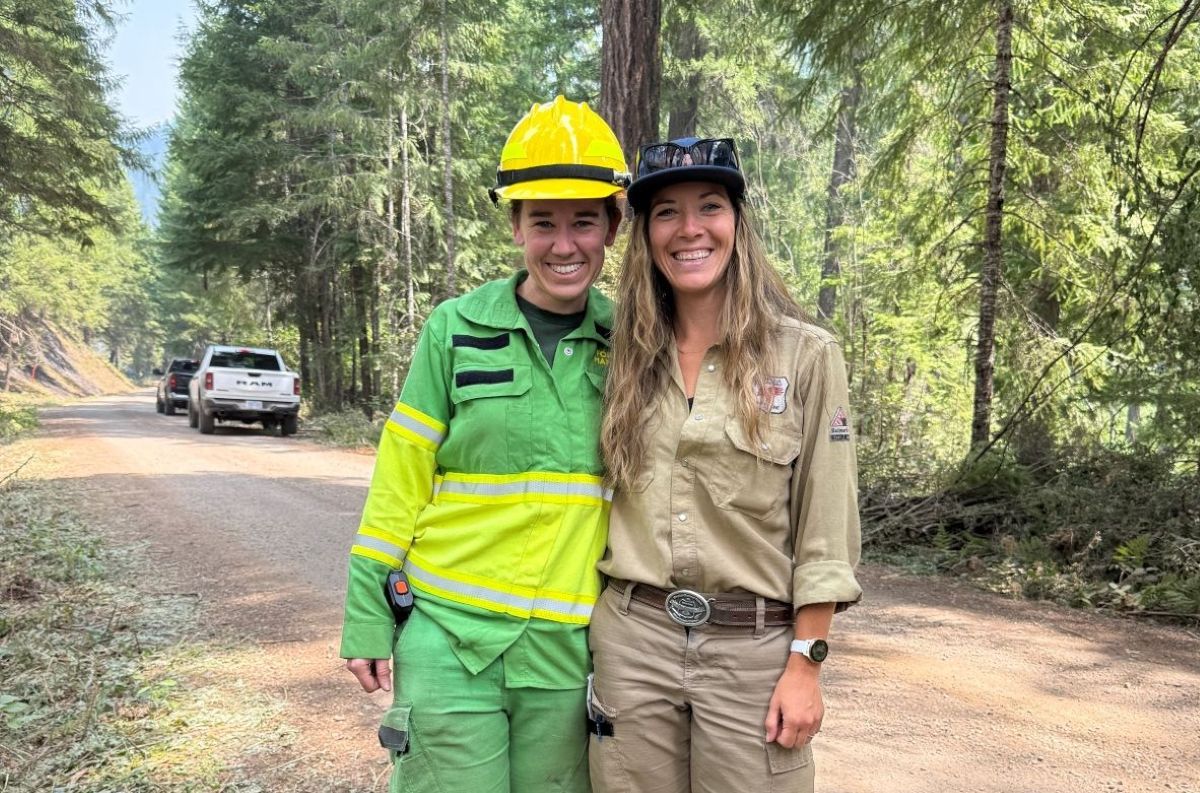
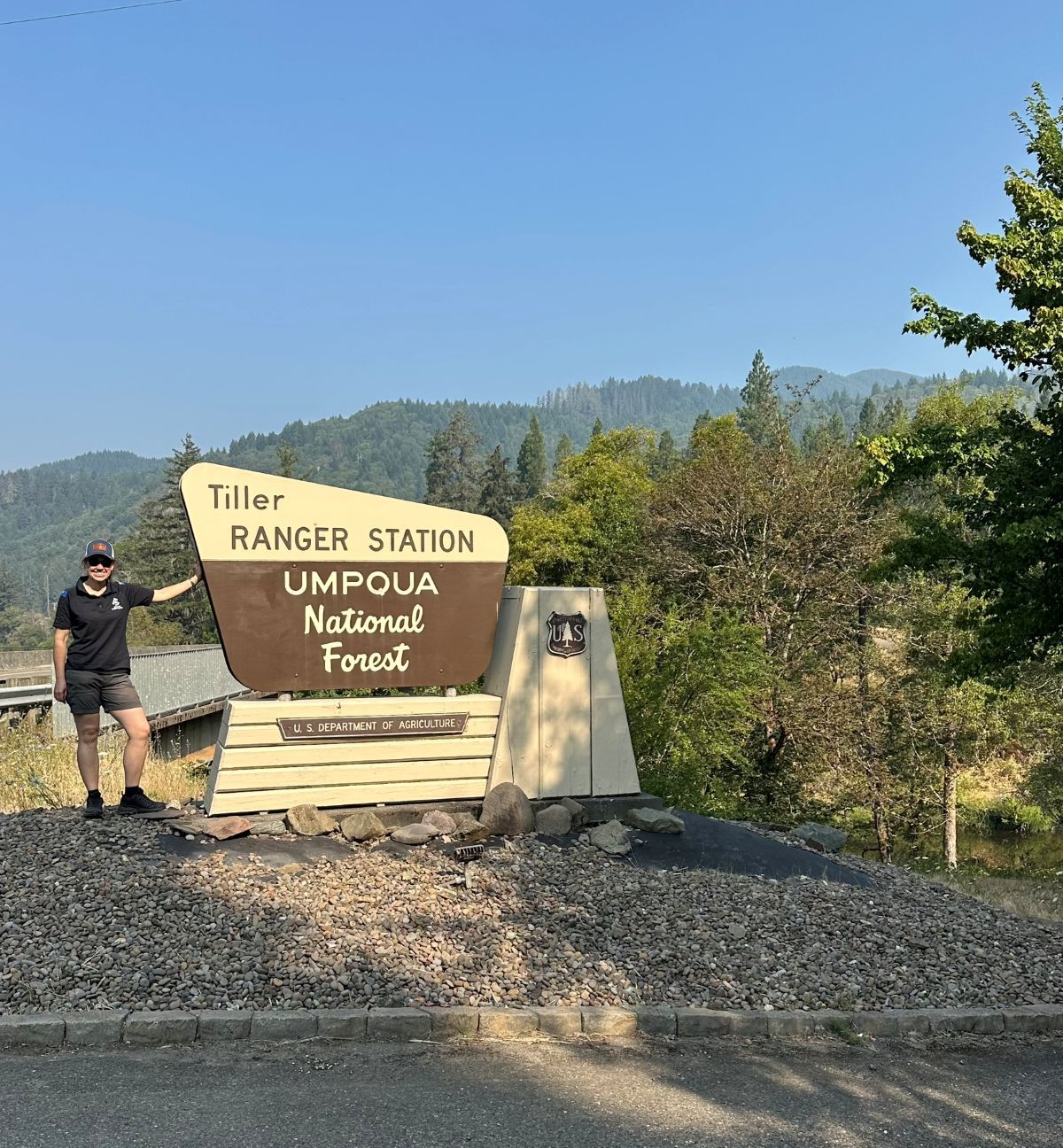
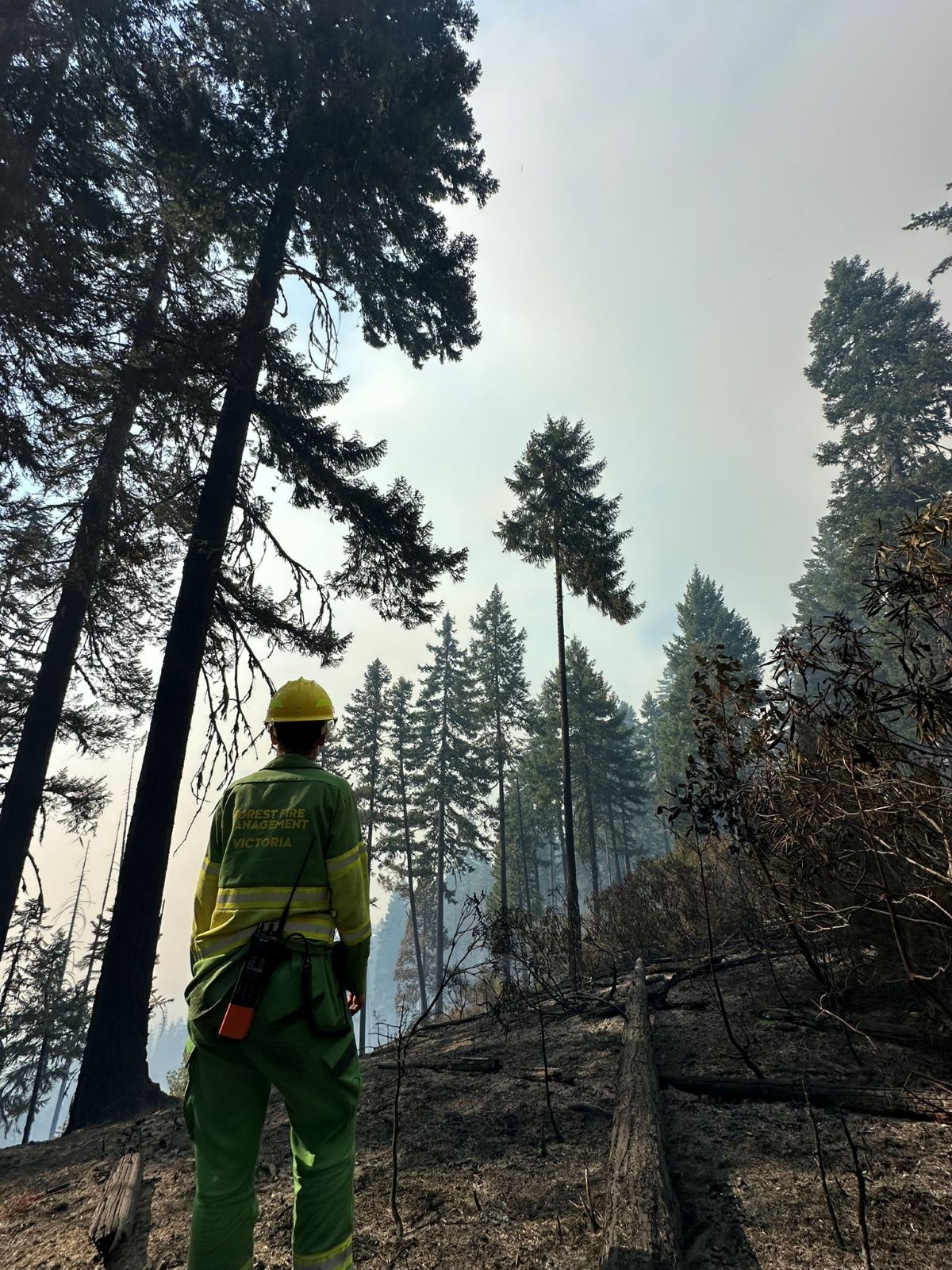
Along with many of the Australian and New Zealand contingent, I spent the first two weeks working on the Castle Fire in the Tiller Ranger District of Oregon's Umpqua National Forest.
My role was Task Force Leader, overseeing several American firefighting resources on the fireline.
We rolled into the base camp at Milo and pitched our tents beside the Incident Command Post. It did not take long for camp life to settle into a routine.
Days started early, usually with coffee, a quick breakfast and a 7am briefing before joining the convoy out to the fire. I particularly enjoyed the fire weather updates each morning from Meteorologists.
The first few days on the line were spent learning how the American system worked and getting used to hearing my callsign over the radio, that being “Task Force Lind.”
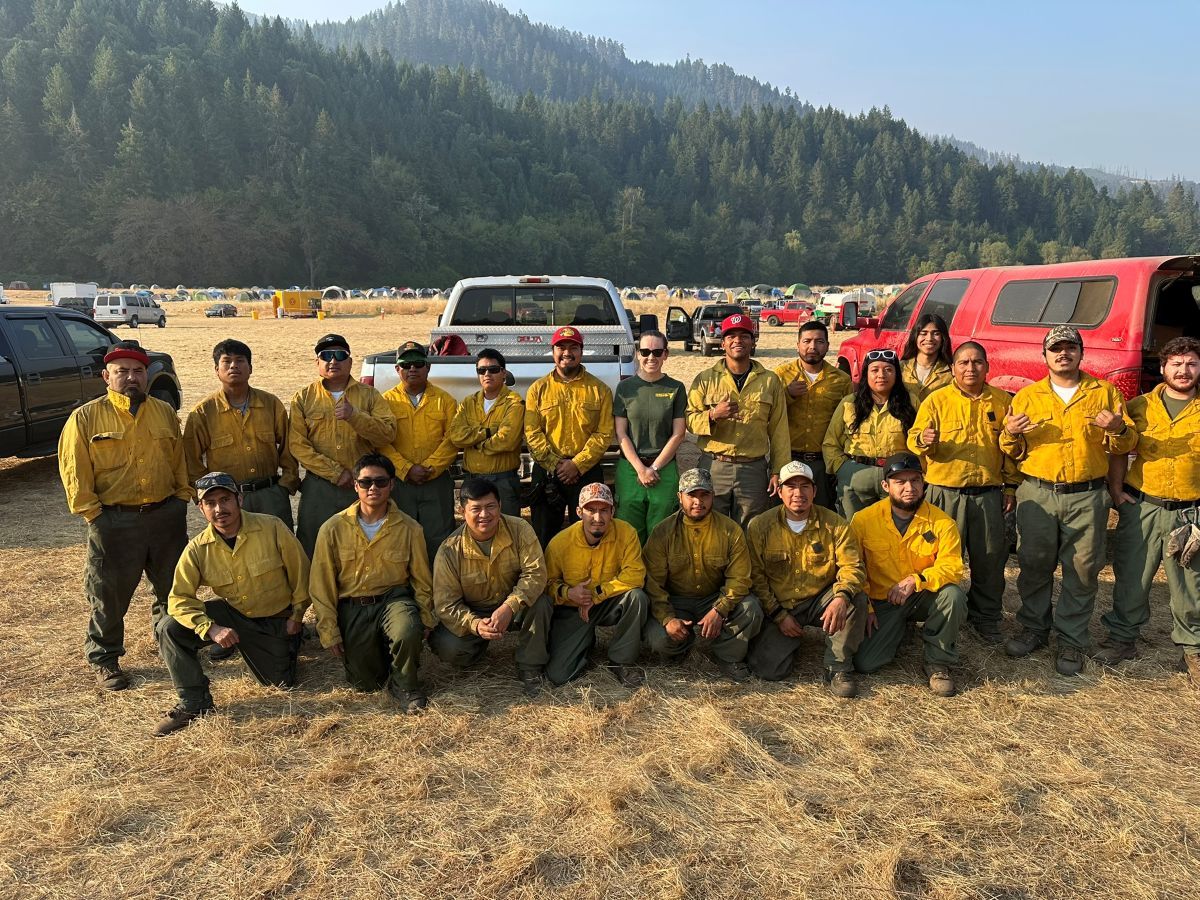
By day three we'd split into separate vehicles and taken responsibility for different parts of the division. Much of my time was spent working with Type 2 contract crews, many of whom had Mexican heritage and varying levels of Spanish and English.
It was such a rewarding challenge that reinforced the importance of clear communication, tailored leadership and the power of a smile or a laugh.
I have a distinct memory of thanking the crew on a particular day for their hard work and it being translated by their crew boss for me. I have a collection of these special fireline moments.
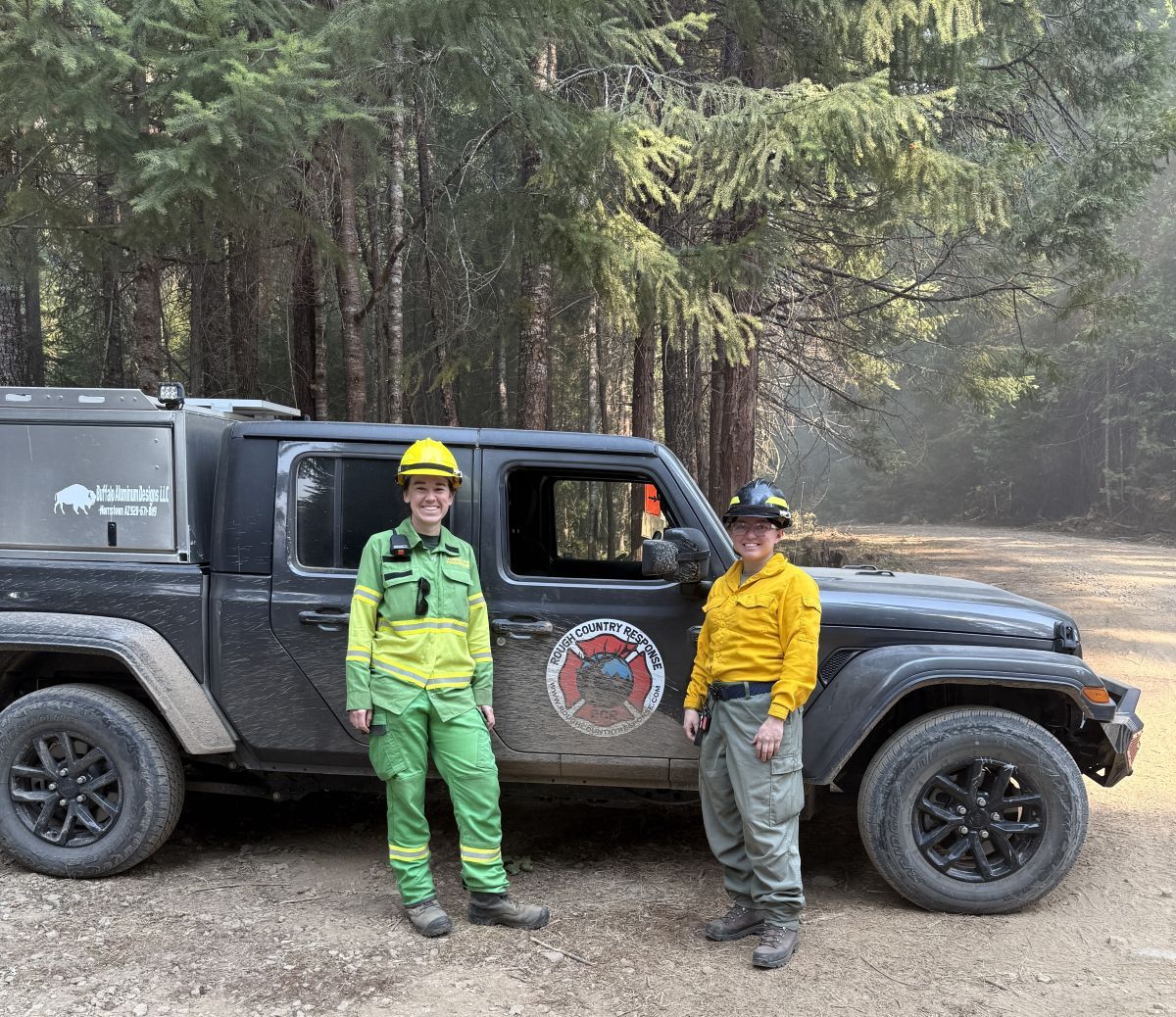
Midway through the assignment I transferred to November Division, where I led engine crews and worked alongside the Vale Hotshots, helping hold containment lines in marginal conditions.
Back in camp each evening, the Australians and New Zealanders would gather over dinner to debrief the day. The conversations often drifted from operational challenges to stories about getting into the wrong side of the vehicle or funny things getting lost in translation.
One of the biggest surprises has been how familiar much of the landscape and firefighting feels. Steep hills, tall trees, old fire scars and terrain-driven fire behaviour; all things Victorian firefighters know well.
The biggest differences have been the systems, language, and reliance on contractors, but you adapt quickly.
The genuine highlight has been the people I've met. Generous, welcoming and highly skilled firefighters from across the country.
The firefighting world really is a small, passionate and supportive one.
We're grateful to be here helping. Resources are stretched and every extra set of hands and smiling face seems to be making a difference.
Thanks to all the staff, family and friends that have taken on more to enable me to be here.
Erika.
Page last updated: 28/08/26